
Ram Patel
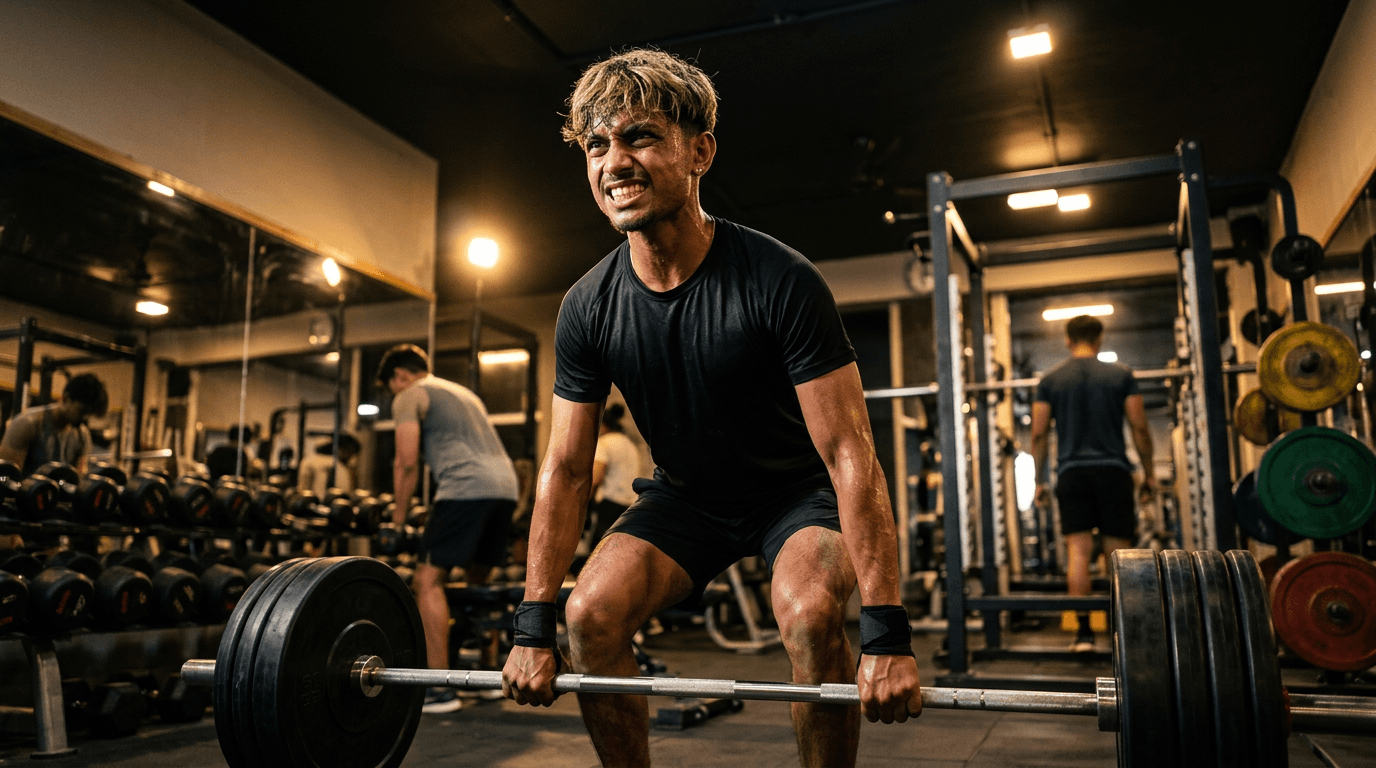
Behind every explosive innings — like 114 off 46 balls — there are hundreds of hours of unseen work. While Part 1 covered batting and bowling, this is the other side of Ram Patel's pre-season at Omtex ICWC Cricket Institute: the fitness, fielding, and range hitting that build the physical foundation.
Fitness — Speed, Power, Endurance
Cricket at the highest level demands explosive speed between the wickets, sustained energy across long innings, and the power to clear boundaries. Ram's fitness programme at Omtex covered all three:
Interval Training
The bread and butter of the fitness work was high-intensity interval training on the outfield:
- 20m sprints — 3 reps under 15 seconds, then 15 seconds rest × 10 sets
- Progressed to just 7 seconds rest × 13 sets — building the ability to recover between overs
- Additional blocks of 10 × 20m sprints at maximum effort
Resistance Sprints
On 2 February, the intensity stepped up with parachute sprints:
- 8 × 30m sprints with a resistance parachute
- 8 × 15m sprints without — feeling the difference in pure speed after resistance work
This kind of overspeed training builds the explosive acceleration needed for quick singles, sharp fielding, and the fast-twitch muscle power behind big hitting.
Gym Work
Regular gym sessions complemented the field work:
- Unilateral exercises — single-leg and single-arm work to build balanced strength and prevent injury
- Plyometrics — jump-based exercises for explosive power
- Isometric holds — building stability and core strength for sustained batting positions
Fielding — Every Run Saved Matters
Fielding sessions were a daily staple at the camp, covering every aspect of ground fielding and catching:
Ground Fielding
- One-hand pick-up and throw — mimicking the quick releases needed to create run-outs
- Underarm throwing — accuracy at the stumps from close range
- Stump hitting drills — catch, throw at bowler's end, back up, throw at keeper's end
Catching
- Flat catches — in the ring, side to side, building reaction speed
- High catches — fielding at long on and deep mid-wicket on the main ground
- Slip catching — pairs work in the cordon
- Running backward catches — the hardest skill in outfielding
"First we did one-hand pick up and throw, then running backward catches, then long distance catches. My hands were hurting." — Ram's training log, 28 January
One unique drill had Ram practising left-hand throwing (he naturally throws right-handed) to help with his bowling action — building coordination and body awareness across both sides.
Range Hitting — 11 Sixes in One Session
On 4 February, the camp moved to the main ground for a range hitting session — two teams of six, one batting, one fielding straight. This was power hitting with purpose:
| Phase | Balls | Sixes | Notes |
|---|---|---|---|
| Warm-up (heavy bat) | 6 | 3 | Heavy ball, underarm full toss |
| Round 1 | 12 | 5 | Normal bat, full toss |
| Round 2 | 6 | 3 | Final round |
| Total | 24 | 11 | 46% six rate |
11 sixes from 24 deliveries — a 46% six-hitting rate. The heavy bat warm-up is a classic power training method: when you switch to a normal bat afterwards, the bat speed increases and the ball flies further. It's the same principle behind weighted training in baseball.
Three weeks later, Ram hit 9 sixes in a competitive T20 match. The range hitting paid off.
The Full Picture
A typical training day at the Omtex ICWC camp looked something like this:
| Time | Session | Duration |
|---|---|---|
| Morning | Fielding drills + Net session (batting & bowling) | 2-2.5 hrs |
| Midday | 1-to-1 coaching (batting or bowling specific) | 1 hr |
| Afternoon | Fitness / Gym / Additional bowling | 1 hr |
| Daily total | 4-5 hours |
Multiply that across six days a week for three weeks, and you get a picture of the dedication behind the numbers. The explosive batting, the tight bowling, the sharp fielding — none of it happens by accident.
Training Session — February 2026
Net Session — 7 March 2026
🏏 Read Part 1: Inside Ram's Training Camp — Batting & Bowling at Omtex ICWC